What is “Stake” in Betting?
In sports betting, your stake is the sum of money that you’re willing to risk for a particular wager. If the wager wins, your return or profit is based on your stake and the odds, or you can lose the maximum amount of money in your fixed-odds wager.
For instance, if you risk 500 at 3/1 and win, your total return is 2,000 (1,500 profit plus your 500 stake back). In a losing bet, you only lose the 500 you bet in the first place – which is why it’s important to consider stake size when betting responsibly.
Why are Stake Betting Rules Important?
The rules of stake betting govern the betting process from start to finish and include how the stake is accepted, what happens if a game is postponed or cancelled, how odds changes are dealt with, and what constitutes a winning or losing bet.
But since the rulebooks can vary slightly from one bookmaker to another, it is essential to read through the terms and sportsbook policies for the specific sportsbook you are using before placing any wagers on it, to avoid any unpleasant surprises if one of the players is late for the game, the match is canceled, or the result changes after the game happens.
Few Core Stake Betting Rules Important to Know
Understanding these key elements of stake betting rules can help you make informed bets on cricket, football, racing, or any other sport you enjoy.
Key areas include:
- The size and extent of stakes.
- The wagering of stakes and acceptance of wagers.
- Settlement and grading rules.
- Events that are void, cancelled, or abandoned.
- The most straightforward type of settlement.
- Proper stake and bankroll management.
Every sportsbook has its own detailed rules page that can be found throughout the sportsbook and should be considered as your “betting constitution.”
How to Interpret the Odds and Payouts for a Game
The simple formula for fixed odds is:
Potential Return = Stake × Odds
In the case of odds of 2.50, a stake of 1,000 would yield a total return of 2,500 (a 1,500 profit from the 1,000 stake). At shorter odds, such as 1.50, a total return of 1,500 would be achieved from a stake of 1,000, illustrating how odds reflect risk and reward.
The amount of money you can afford to risk on that single bet is the stake, so modifying your stake based on odds and confidence level is a fundamental aspect of any betting strategy.
Minimum and Maximum Stake Rules
Minimum stakes guarantee that wagers are economically viable for the bookmaker, whereas maximum stakes help limit the bookmaker’s risk for a single outcome.
Some sites may also have higher limits for certain games or leagues due to increased market liquidity or more stable events. High-profile games may allow larger stakes than lower-tier competitions because they generally have greater betting volume and more predictable markets.
If you attempt to bet less than the minimum or more than the maximum, your bet is likely to be rejected or adjusted. It is important to double-check the minimum and maximum betting amounts listed on your bet slip before you confirm your wager.
The Way Bets are Placed and Accepted
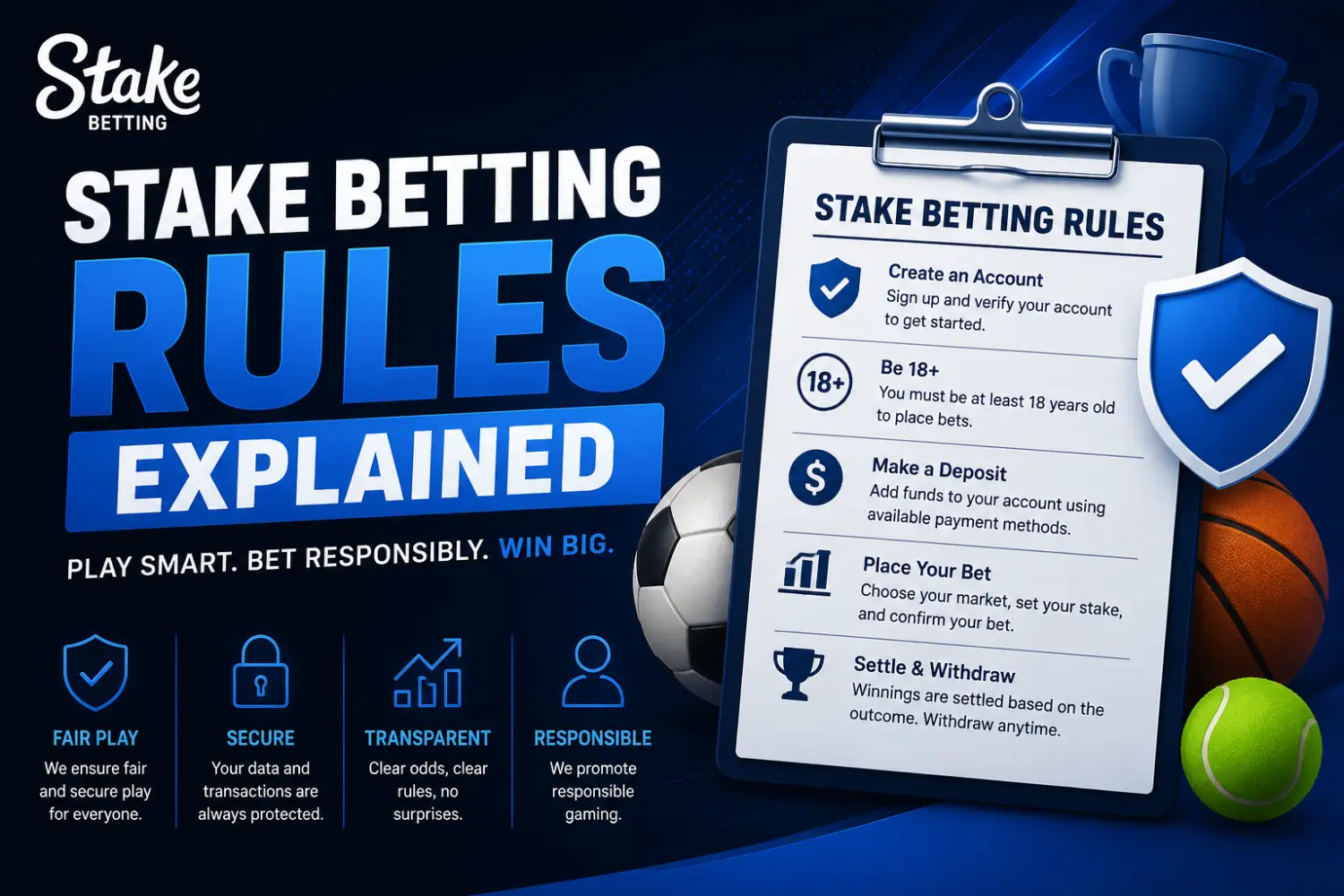
Once you select a market, enter your stake, and confirm, you are submitting your bet for acceptance by the sportsbook under its stated terms and pricing.
When you place a bet the sportsbook will let you know that it has been accepted by sending you a confirmation or a bet ID. This is like a receipt that shows your bet has been recorded.
If the odds change before you confirm your bet the sportsbook will show you the price. You can then decide if you still want to place the bet.
When you confirm your bet the sportsbook will take the stake from your account away. So it is an idea to double-check the stake and the odds before you click the confirm button.
The Settlement Rules and the Grading of Bets
The sportsbook follows rules when it settles bets. These rules are based on the results of the event. For example if you bet on a cricket match the sportsbook will use the scorecard to decide who wins the bet.
Sometimes the official result of an event can change. This can happen if there are decisions that affect the outcome. In these cases the sportsbook might still use the result to settle the bets.
It is an idea to read the rules that are specific to the sport you are betting on. These rules explain how the sportsbook handles things like tie-breaks and extra time.
Avoid Bets That Have Been Voided, Cancelled, or Abandoned
You should also be aware of what happens if a bet is voided or cancelled. If this happens the sportsbook will give you your stake back. It is like the bet never happened.
Some sportsbooks have rules about how much of a game must be played before a bet is considered valid. If the game does not meet these conditions the bet might be voided.
Cash-Out, Partial Cash-Out and Early Settlement
Sportsbooks these days usually offer a feature called Cash-Out. You can settle your bet before the event is over and get a payout based on what’s happening right now.
If your bet is not going well you might get money back than you put in.
If your bet is going well you can choose to cash out and keep the money you have won so far before the event is over.
Cash-Out is not always available. It depends on the rules of the sportsbook. Some sportsbooks also have something called Partial Cash-Out. This means you can cash out some of your bet and still keep the rest of it going.
The sportsbook uses its way of figuring out how much money you get when you cash out. They use the prices and what is happening in the match.
That is why you should read the rules of the sportsbook so you know how Cash-Out works and when you can use it. You should also think carefully before you decide to use Cash-Out.
Manage your Bankroll and Play Responsibly
It is an idea to manage your bankroll carefully. Your bankroll is the amount of money you have set aside for betting. You should only bet a percentage of your bankroll at a time.
This helps you avoid losing much money if you have a bad streak. It also helps you avoid chasing losses. Most sportsbooks have rules that encourage betting. They might have tools like deposit limits and self-exclusion to help you bet responsibly.
The Rules for Stake betting on Sports
Each sport has its set of rules when it comes to betting. For example in cricket the rules explain how rain interruptions and shortened matches affect the bets.
In horse racing the rules explain what happens if a horse is withdrawn or if the starting price changes. It is an idea to read these rules so you know what to expect. You should also read the sportsbooks terms of service.
These terms explain things like who can use the sportsbook and how disputes are handled. They also explain when the sportsbook can void or limit bets.
Framework of Legal and Terms-of-Service Agreements
You need to agree to these terms before you can use the sportsbooks services. It is an idea to read them carefully so you know what you are getting into.
When you bet on sports there are some rules that apply to all of them. Many bookmakers also have special rules for each sport. These rules tell you how your bets work for events like cricket or football or horse racing.
For example if you bet on cricket the rules will explain what happens if it rains and the game is stopped or if the game is shortened or if they have to play a Super Over. This affects the bets you make on things like who wins the game, how many runs are scored or how a certain player does.
If you bet on horse racing the rules will tell you what happens if a horse does not run or if a race is cancelled or if the odds change because some horses do not run.
Every sport is different. It is a good idea to know the rules for the sport you are betting on. This way you know when you might lose your bet, when you might get your money back and how they figure out who wins. Most operators publish these legal documents on their website, usually in the footer under sections such as Terms, Policies, or Rules.
Read More Blogs :
1. Why the Stake Online Betting App Is Popular Among Sports and Casino Players
2. Stake Mines Predictor Bot
FAQs
- What is a stake in a wager?
A stake is the amount of money you put on a bet, like 500 dollars on a team to win or a player to score. This is the money you can lose if the bet does not win.
- How is my return computed from my stake?
When you make a bet your return is calculated by multiplying your stake by the odds. This is the amount you get back including the money you won and your original stake. If you lose you only lose the stake.
- May I get a refund for this stake?
Yes you can get a refund for your stake. If a bet is cancelled because of the sportsbooks rules you will usually get your stake back. This happens when a game is cancelled or a market is posted by mistake.
- What do you do when a match is called off?
If a match is stopped after it starts the sportsbooks rules decide what happens to your bet. They might settle the bet based on the score, cancel it or wait for the match to be replayed. You should always check the rules for that sport to see what happens to your stake.
- Can I place a limit on the amount stake?
Yes bookmakers set limits on how much you can stake for sports and bets. If you try to bet less than the limit your bet might be changed or not accepted until it is within the allowed range. The stake limits are different, for each sport and bet.